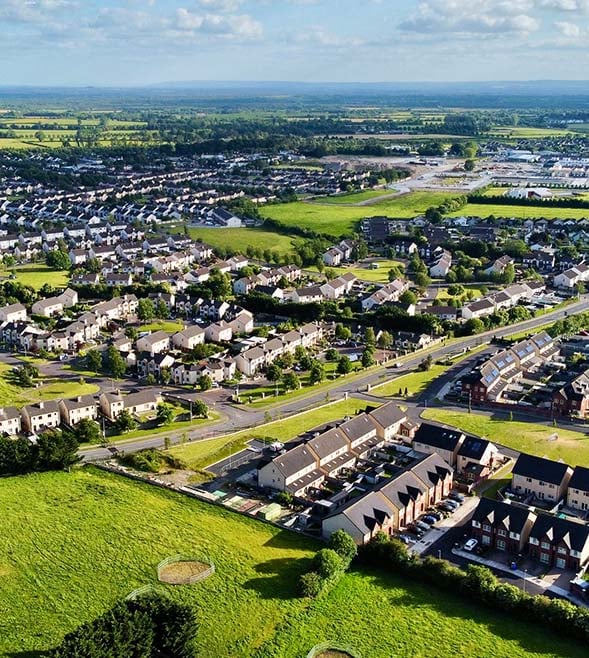
Louth’s climate risk assessment and adaptation model using CLIMAAX.
Decarbonisation is no longer optional. Discover how climate action drives business value, trust and long-term advantage.
Ready for Net Zero? Learn how to turn early climate action into a credible, future-proof strategy that drives long-term value.
Turn climate ambition into action. Learn how to build a credible decarbonisation strategy that delivers measurable business impact.
EFRAG outlines plans to simplify ESRS under the CSRD, aiming to cut complexity, improve readability and reduce data points by up to 50%.
Explore how the VSME can help SMEs meet sustainability demands amid CSRD uncertainty, offering a simpler, voluntary EU reporting framework.
Understand the key differences between existing legislation and proposed amendments in the Omnibus update. Stay informed on regulatory changes, CSRD reporting scope, assurance requirements, and EU Taxonomy updates.
The EU’s Omnibus Package proposes major changes to CSRD, reducing scope by 85% and delaying Wave 2. Discover what this means for your sustainability journey.
Discover how CSRD changes impact sustainability reporting and finance. Stay ahead with key insights on regulatory updates, challenges, and actions businesses can take.
The Voluntary Sustainability Reporting Standard is intended to allow entities that are not in the scope of the CSRD to support SMEs in accessing sustainable finance.
Explore how merging CSRD, CS3D, and Taxonomy could ease regulatory burdens, streamline EU sustainability rules, and benefit businesses and investors.
Explore why tax is vital for comprehensive CSRD reporting, enhancing transparency, ethical governance, and aligning business with sustainability goals.
Discover four essential steps for CSRD compliance, from governance to resource allocation, ensuring your sustainability reporting meets regulatory standards.
Is your company searching for a sustainability leader? Learn the key skills for embedding sustainability into your business strategy.
Green House Gas (GHG) emissions are classified into categories of Scope 1, Scope 2 or Scope 3. This is a way of grouping emissions between those created by the company and those created by its wider value chain.
The European Financial Reporting Advisory Group (“EFRAG”) submitted to the European Commission its technical advice on the first set (“set 1”) of draft European Sustainability Reporting Standards (“ESRSs”) on the 22 November 2022. This included 2 “cross cutting” ESRSs (General Requirements and General Disclosures) and 10 “topical” standards across Environmental, Social and Governance topics.