


Climate risk in County Louth
ArticleLouth’s climate risk assessment and adaptation model using CLIMAAX.
For businesses, water is often treated as a narrow environmental issue. In reality, it shapes a much wider set of pressures, from operational resilience and supply chain performance to climate risk, social risk and relationships between communities and industry.

WHO and UNICEF estimate that 2.1 billion people still lack safely managed drinking water. In lower-income countries, this means basic access is still out of reach. In wealthier markets like Ireland, the pressure looks different but remains real as ageing infrastructure, rising demand and less stable weather put systems under strain.
This year’s World Water Day, Water and Gender, highlights the link between water security, sanitation, equality, dignity and opportunity, and underlines that water-related pressures are not experienced evenly. They shape how communities function, how businesses grow and the stability of local economies.
World Water Day is an awareness moment, but it should also serve as a strategic prompt. Water already influences business resilience, social stability and long-term value in ways that many organisations are still only beginning to fully recognise.
In our work, these issues are closely connected, with water often sitting at the centre of climate and nature risk, decarbonisation, reporting and wider sustainability strategy.
Water-related pressures vary by geography. In some places the concern is scarcity. In others the risk is flooding, water quality, infrastructure constraints or rising demand. Risk often extends beyond a single site or jurisdiction. A business may appear stable in one part of its footprint while remaining exposed through suppliers, logistics, customers or local communities elsewhere in the value chain.
That is why water is increasingly a strategic leadership issue. It can sit quietly in the background until disruption, cost or stakeholder concern brings it into sharper focus.
A more joined-up view helps organisations understand where pressure points may emerge and where resilience may be weaker than it appears.


This year’s World Water Day theme, Water and Gender, brings needed attention to the wider human impact of water insecurity. Access to safe water and sanitation is closely linked to health, dignity, participation and opportunity.
That is not separate from the business context. Social risk does not sit apart from operational risk. In practice, the two are often connected. Organisations do not operate apart from the communities and systems they depend on. Stable infrastructure, workforce participation and community trust all sit on foundations that water helps to sustain.
When water systems are under strain, the effects are rarely neutral. Water insecurity can deepen existing inequalities and place extra strain on households, workers and local services. For organisations, those pressures shape the wider environment in which they operate, invest and grow.
Water intersects with several areas across sustainability and business transformation. It shapes climate and nature risk assessments where drought, flooding and other physical impacts affect assets and operations. It influences decarbonisation pathways where water availability, cooling requirements or discharge constraints affect delivery.
It is also increasingly relevant to strategy and reporting, particularly where organisations are assessing dependencies, impacts, governance and long-term resilience.
That reflects the wider nature of sustainability as a strategic approach that tackles practical business challenges and cuts across risk and transformation, rather than sitting in isolation.

As water rises on the agenda, leadership teams need to ask a more practical set of questions:
Water-related dependencies
What are the main water-related dependencies across the business and value chain?
Social impacts
How well are social impacts understood alongside environmental exposure?
Transition plans
Are transition plans based on assumptions that will remain credible under future water stress?
Better decision-making
Are these issues considered early enough to support better decision-making, rather than reactively when disruption has already begun?
The businesses that respond well will look at water with more depth, better context and a clearer understanding of how quickly local pressures can become wider business risks.




Sign up for expert insights, industry trends, and key updates—delivered straight to you.
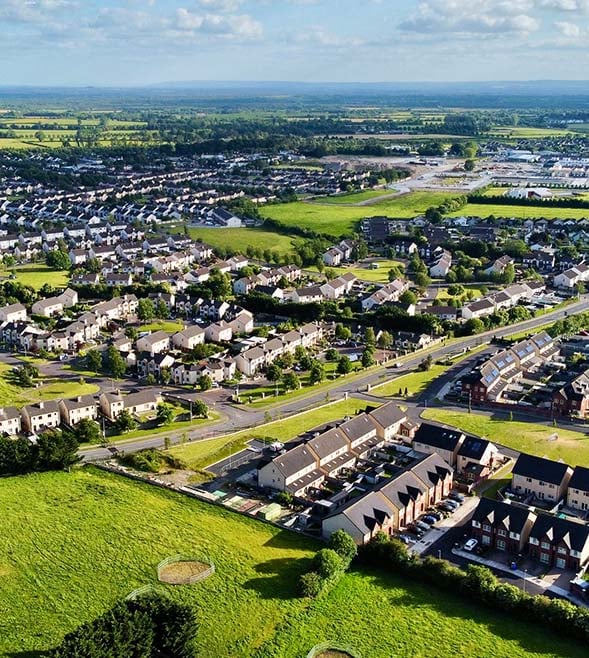
Louth’s climate risk assessment and adaptation model using CLIMAAX.


Learn how Sustainability Linked Loans work, how to select meaningful KPIs, set credible targets, and align with market standards. This guide offers practical insights from real-world experience supporting lenders and corporate entities through the full SLL life cycle.



This article from Grant Thornton UAE explains why decarbonisation is becoming a core business strategy. It covers global disclosure trends, investor and market pressures, and practical steps for integrating carbon reduction into operations for long-term advantage.